The Columbus Homeowner’s Guide to Ice Dams: Prevention and Protection
Winter in Central Ohio is notoriously unpredictable. Whether you live in the historic neighborhoods of Clintonville, the growing suburbs of Powell and Hilliard, or a newer build in Dublin, your home is susceptible to one of winter’s most deceptive threats: the ice dam.
While icicles hanging from the eaves may look picturesque, they’re often a warning sign that your roof is under serious stress. Understanding why ice dams form and how to prevent them is essential for protecting your home’s structure, insulation, and interior from costly water damage.
The Freeze-Thaw Cycle
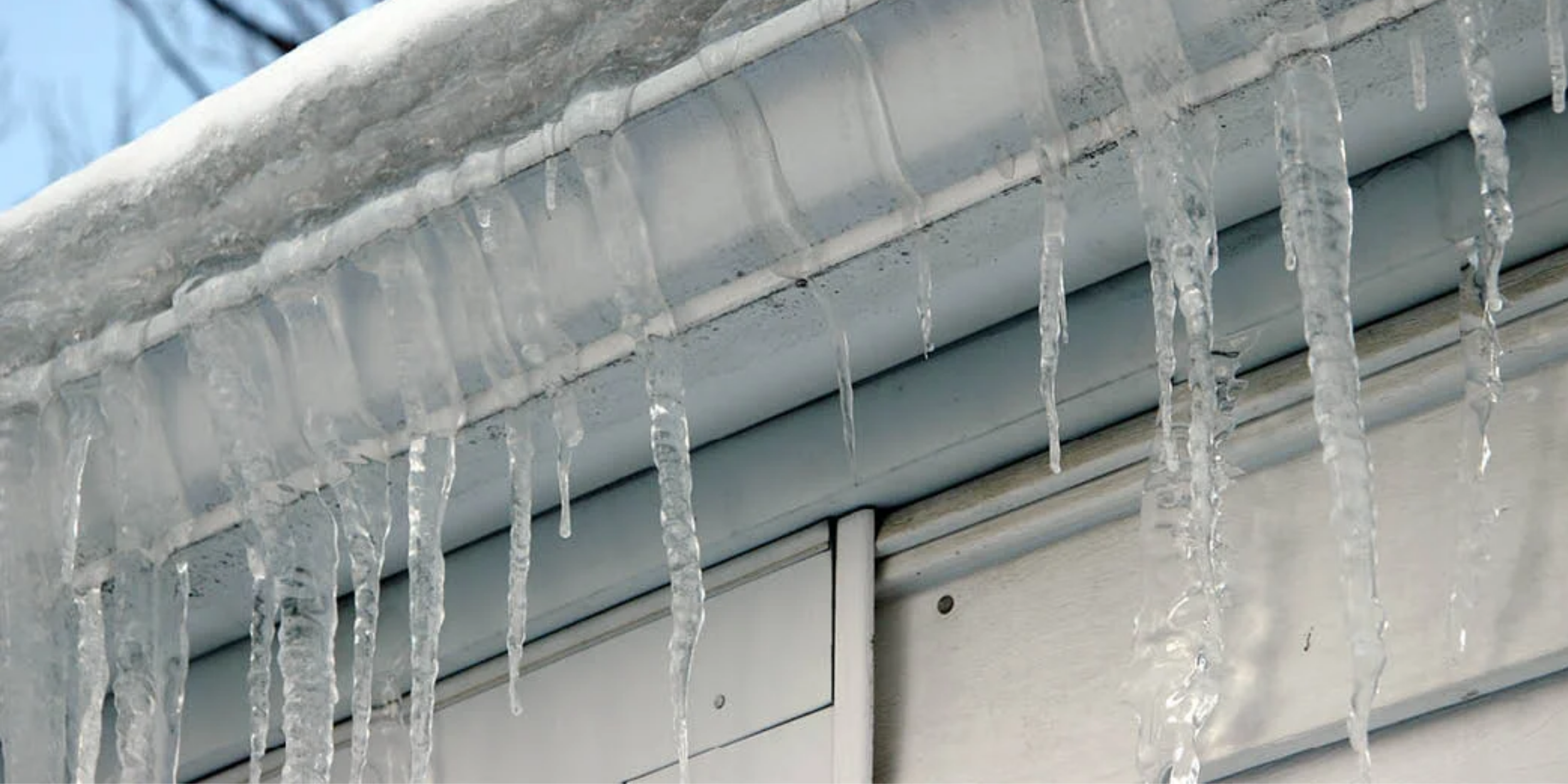
Columbus homeowners know the “Ohio rollercoaster” all too well. One day it’s 20°F with snowfall, and 48 hours later it jumps to 42°F with rain.
This dramatic freeze–thaw cycle is the primary driver of ice dams. When Central Ohio gets heavy snow followed by a warm-up and then a deep freeze, snow on the roof melts and starts to move. If your roof and attic system can’t properly shed that water, it creates the perfect setup for hidden interior water damage.
What Exactly Is an Ice Dam?
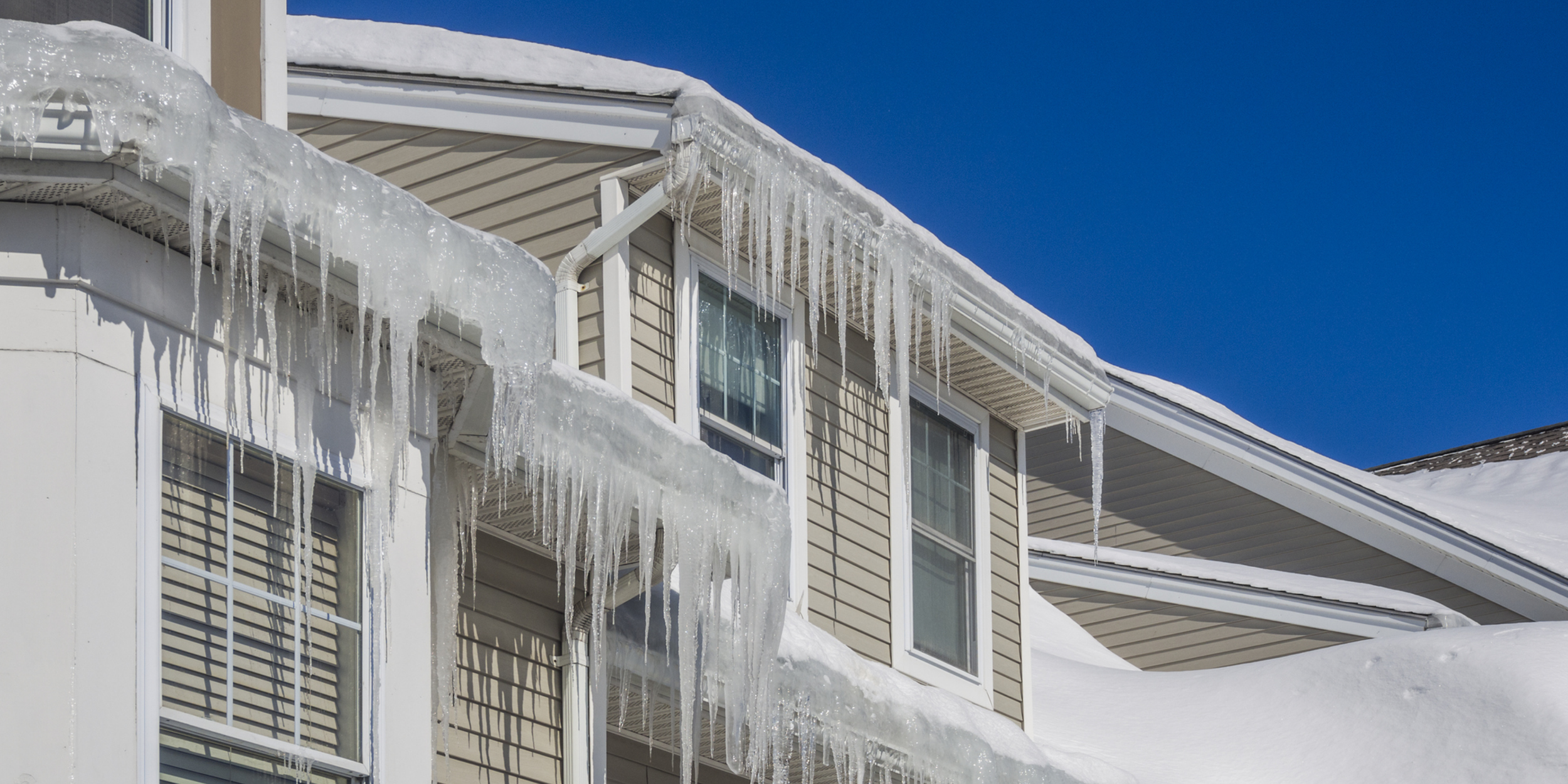
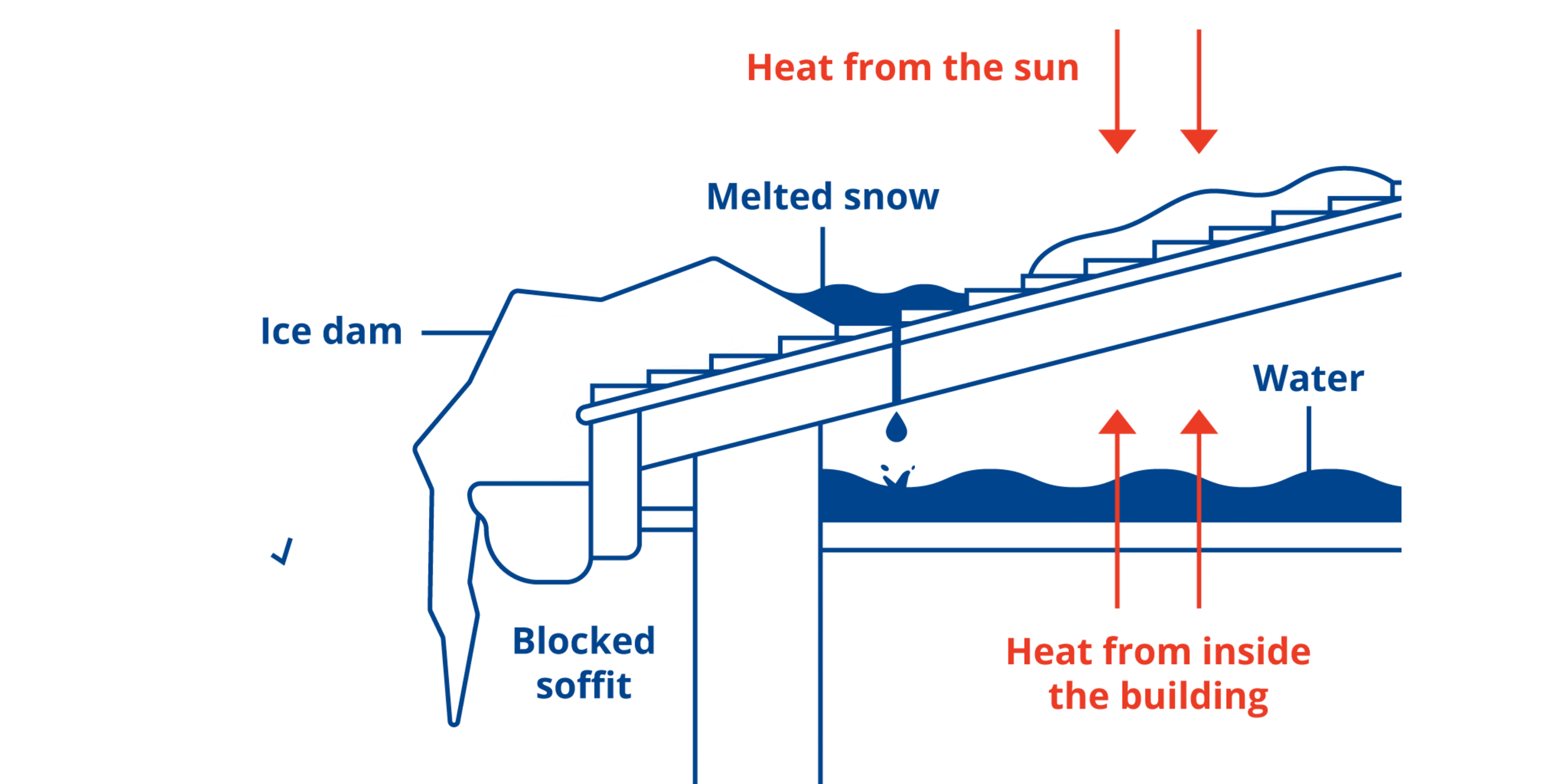
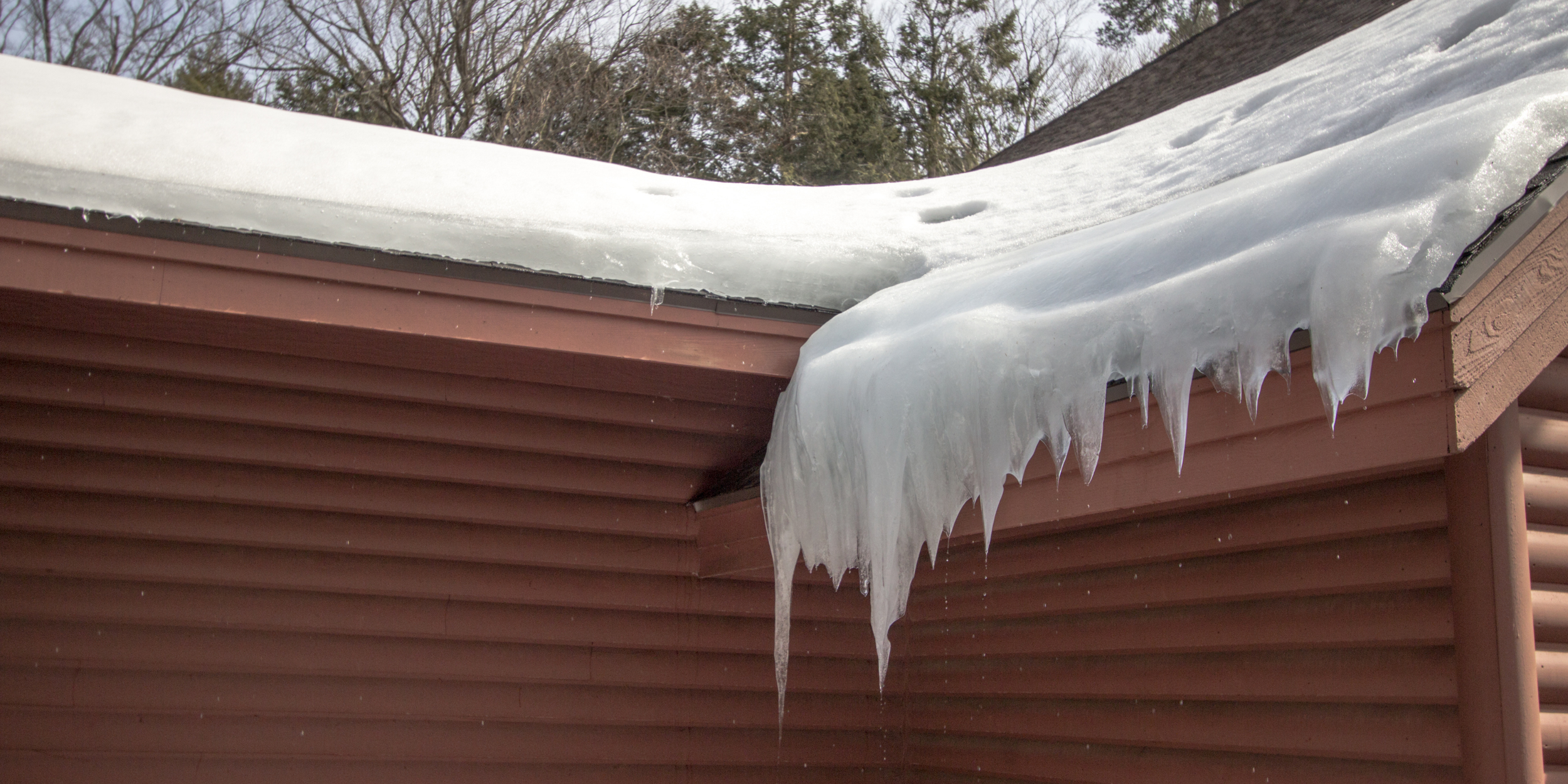
An ice dam is a ridge of ice that forms at the edge of a roof and prevents melting snow (water) from draining off.
How it works:
Heat Loss: Heat escapes from the living space into the attic, warming the roof deck.
The Melt: This heat melts the bottom layer of snow on the roof, even if the outside temperature is well below freezing.
The Dam: The meltwater flows down the roof until it reaches the eaves—the part of the roof that overhangs the walls. Since the eaves aren't warmed by the attic, the water refreezes, creating a growing wall of ice that traps subsequent meltwater behind it.
More Than Just a Few Icicles
Ice dams are often "silent" issues until the damage becomes visible inside the home. If left unaddressed, they can cause:
Shingle Damage: Water backed up behind the ice ridge eventually finds its way under the shingles, lifting them and breaking the protective seal.
Gutter Failure: The immense weight of solid ice can bend, warp, or completely tear gutter systems away from the house.
Interior Water Damage: Once water gets under the shingles, it seeps into the attic, soaking insulation and creating yellowish water stains on drywall and ceilings.
Mold Growth: Damp insulation and wet wood in the attic are the perfect breeding ground for mold, which can impact indoor air quality.
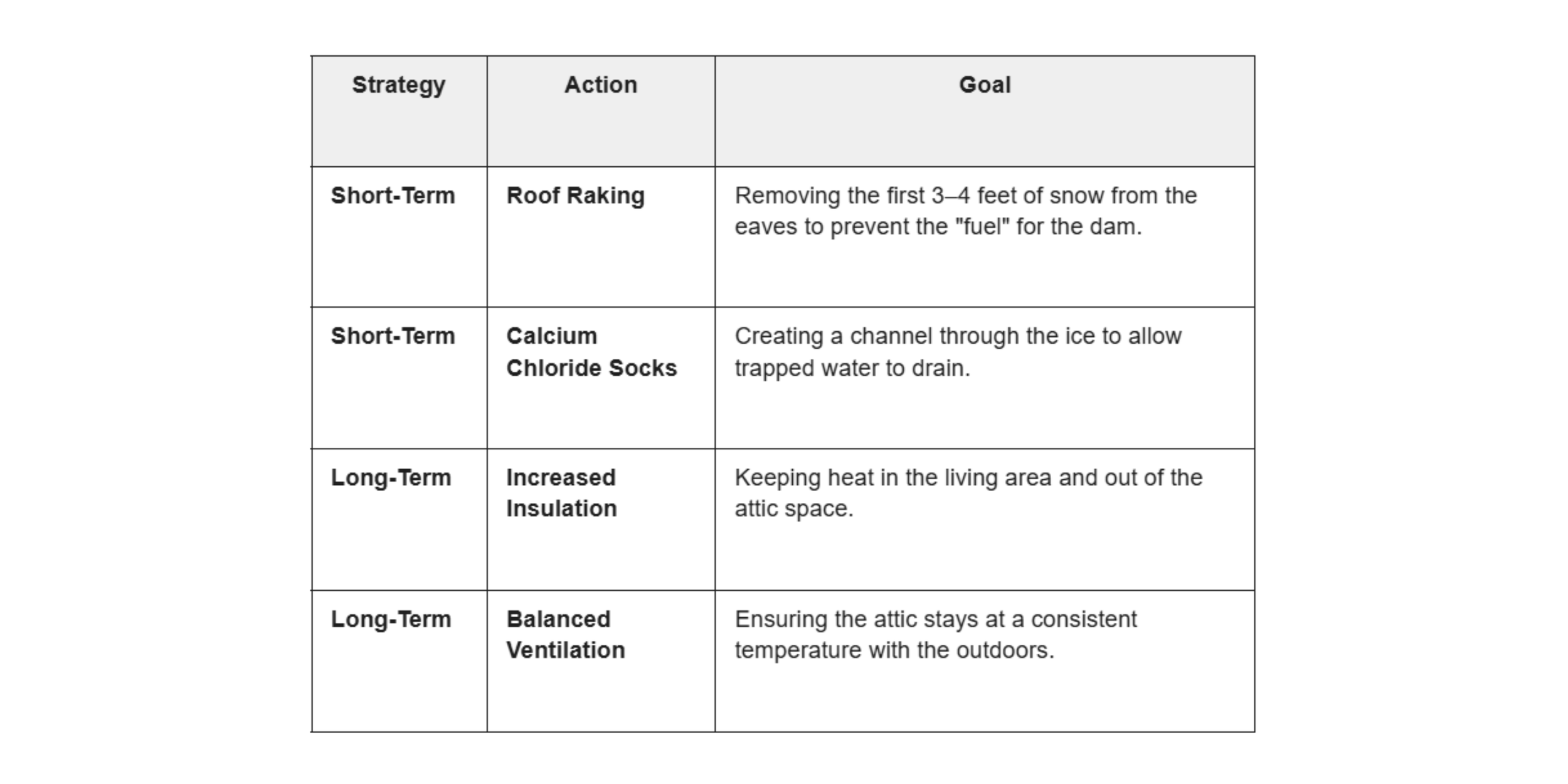
Quick Fixes vs. Long-Term Cures
What NOT To Do
When homeowners see ice buildup, the instinct is often to take immediate, physical action. However, some methods can cause more harm than the ice itself:
Do Not Use Hammers or Axes: Chipping away at ice with sharp or heavy tools will almost certainly puncture your shingles.
Do Not Use Rock Salt: Standard salt is corrosive and can damage shingles, metal gutters, and the landscaping below once it melts.
Do Not Step on the Roof: Never walk on a snow-covered or icy roof. Shingles become brittle in the cold and are easily damaged by foot traffic, not to mention the extreme safety risk.
Staying Ahead of the Storm
Don't wait for a ceiling stain to realize there is a problem. The best time to address an ice dam is before the snow starts falling by ensuring your attic has the proper R-value insulation and sufficient airflow. If you notice massive ice buildup or water beginning to ingress, consult a local roofing professional to perform a thorough attic and roof assessment.
Get a Free Quote for James Hardie Siding Installation
If you’re starting to plan a siding project, we’re happy to help. We’ll take a look at your home, walk you through your options, and answer any questions you may have, no pressure included.
