Repair or Replace?
A Homeowner's Guide to Spring Exterior Maintenance

As the temperatures finally rise across Central Ohio, we are all eager to trade winter ice for spring sunshine. However, this seasonal shift also introduces our notoriously unpredictable spring weather patterns. The drastic temperature swings—from freezing nights to 60-degree afternoons—force roofing materials to rapidly expand and contract, while sudden microbursts and spring hail can batter your home's first line of defense.
Often, it is those first few spring downpours that reveal the hidden wear and tear your home's exterior sustained over a harsh winter. When you discover a missing shingle in the yard, a water stain on the ceiling, or a loose piece of siding, the immediate concern is usually: "Can this be patched, or am I looking at a total replacement?"
At AC Roofing and Siding, we believe in providing homeowners with transparent, fact-based assessments so you can protect both your property and your financial investment. Here is our professional guide to evaluating spring damage and understanding exactly when a targeted repair is the right call.
The Two Core Principles: Repair vs. Replace
Our diagnostic process relies on two fundamental guidelines when evaluating the integrity of a home's exterior, along with clear expectations on what the process looks like.
1. The Targeted Repair Protocol
If your roof or siding is relatively young (under 12–15 years old) and the damage is highly isolated, a targeted repair is almost always the most logical and cost-effective route. For example, if a recent windstorm displaced a few shingles or compromised a single siding panel, and the underlying decking and moisture barriers remain healthy, a high-quality, professional patch will fully restore your home's protection.
The Timeline: Professional, targeted roof and siding repairs can typically be completed in just a few hours with minimal disruption to your day.
2. The Systemic Failure Warning
We strongly advise against investing in repairs for a system that is fundamentally failing. If your roof is nearing the end of its functional lifespan (15–20+ years), or if the damage is widespread across multiple elevations, patching it is merely a temporary measure. While a patched area might temporarily hold, the surrounding aged materials will inevitably fail during subsequent storms. In these scenarios, investing in a full replacement is the most secure and financially sound decision.
The Timeline: Many homeowners fear a roof replacement means weeks of living in a construction zone. In reality, a full residential roof replacement by an experienced, professional crew can often be completed in just one to two days.
Your Spring Exterior Diagnostic Checklist
Before the next major storm front moves through, we recommend taking a walk around your property to check for these critical red flags:
The Roof
Inspect the roofline from the ground (for your safety, please leave ladder inspections to our team). Look for dark, exposed patches where shingles are missing. Note any areas where the edges of the shingles are curling, blistering, or lifting. Pay special attention to the flashing around your chimney and vents, as these are primary intrusion points for water.
The Gutters & Downspouts
Are your gutters sagging, pulling away from the fascia board, or overflowing? Examine the discharge area at the bottom of your downspouts. An excessive buildup of coarse, sand-like granules indicates that your roof shingles are rapidly shedding their protective layer and leaving the asphalt exposed to UV damage.
The Siding
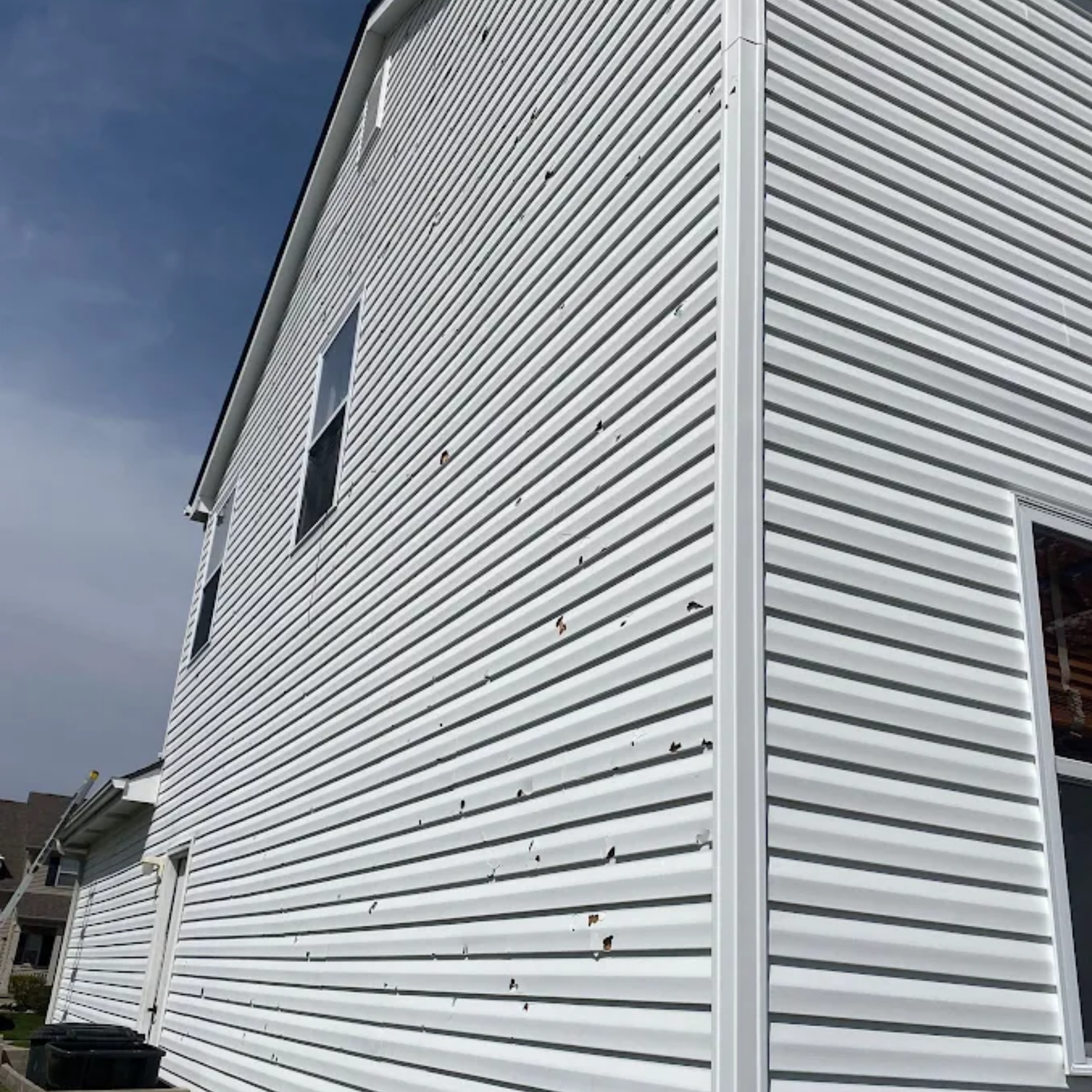
Winter moisture and relentless freeze-thaw cycles can compromise your siding. Look for panels that are warped, unseated, or physically cracked. Additionally, check for areas exhibiting significant mold, mildew, or rot, which strongly indicate trapped moisture behind the exterior walls.
The Attic (The Hidden Check)
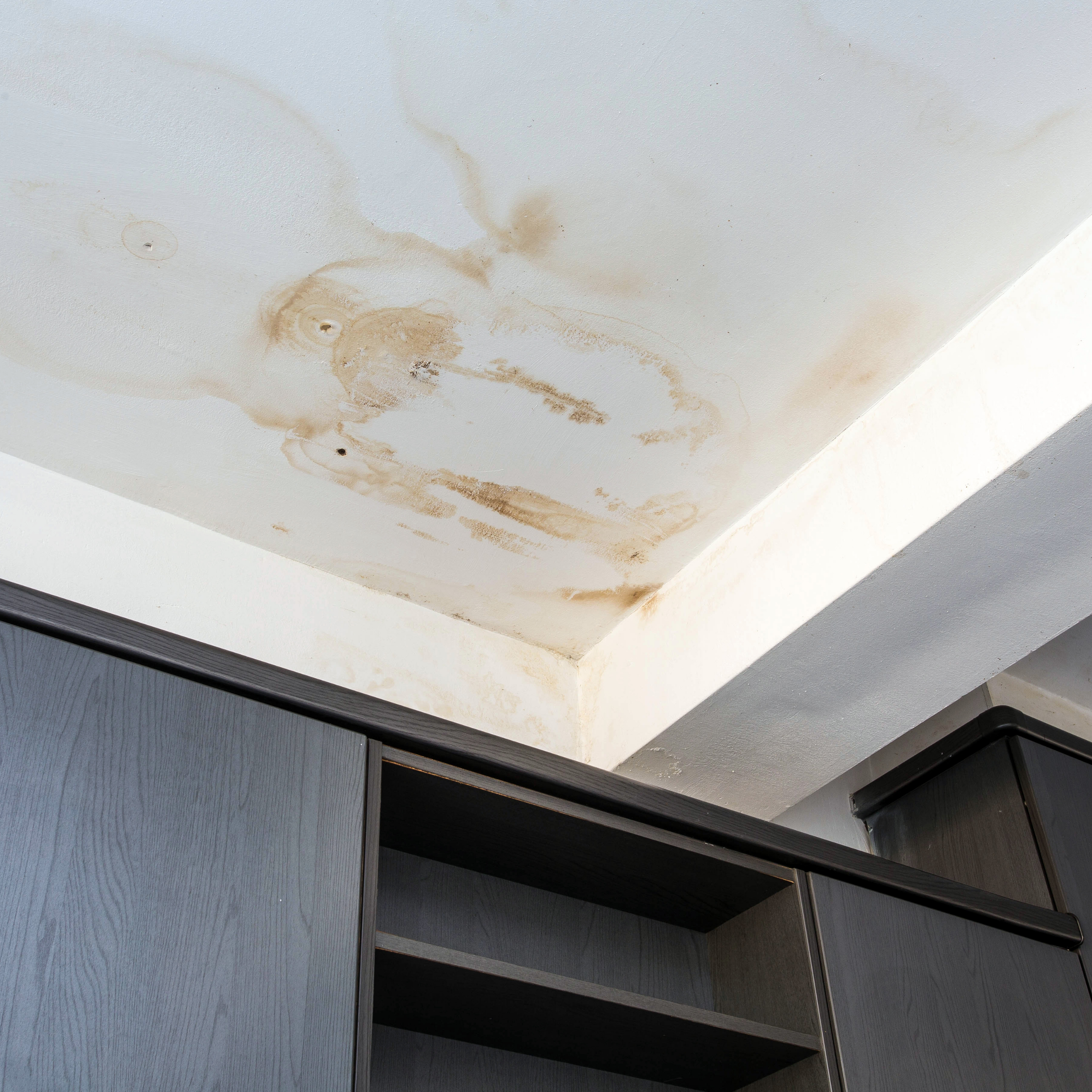
On a bright day, enter your attic and turn off the lights. If you can see daylight penetrating through the roof decking, the system is compromised. Alternatively, use a flashlight to inspect for dark water stains, streaks along the rafters, or damp, compressed insulation. If moisture has reached the attic, the exterior barrier has already failed.
Emergency Triage: What to Do If You Have an Active Leak
If your inspection reveals an active leak inside your home, do not panic, but act quickly to mitigate the interior damage before the professionals arrive:
Clear the Area
Move furniture, rugs, and valuables away from the drip zone.
Contain the Water
Place buckets or heavy-duty plastic bins under the leak. If water is pooling and causing the ceiling drywall to bulge, use a screwdriver to carefully poke a small hole in the center of the bulge. This allows the water to drain into your bucket in a controlled manner, preventing the entire ceiling panel from collapsing.
Document Everything
Safely take photos of the interior damage and, if visible from the ground, the exterior damage for your insurance claim.
Call for Tarping
Contact a professional roofing contractor immediately for emergency tarping to stop the water intrusion until a permanent assessment can be made.
Will My Homeowners Insurance Cover It?
One of the most common questions we get is whether insurance will foot the bill. The short answer: it depends on the cause.
If your roof sustained widespread damage from a sudden spring hail or wind storm, your insurance policy will likely cover the replacement (minus your deductible). However, if the roof is simply failing due to age and normal wear-and-tear, it is typically considered a routine maintenance expense by carriers.
Professional Advice: Never file a claim before getting an independent inspection. Filing a claim that gets denied can still go on your record. Let us assess the exact cause of the damage first, so you know exactly where you stand before involving your insurance agent.
Secure a Professional Assessment (Completely Free)
Ignoring a minor, localized roof or siding issue allows moisture to quietly infiltrate your home's envelope, escalating into major restoration projects like rotted wood decking and necessary mold remediation. Proactive action is always less expensive than reactive damage control.
If your visual inspection reveals areas of concern, or if you would simply prefer a professional evaluation, allow our team to provide clarity.
We offer comprehensive, zero-pressure exterior assessments for local homeowners. Our team will conduct a thorough inspection to identify both obvious and hidden damage with pinpoint accuracy. We apply our expert guidelines to provide you with an honest, transparent overview of your home's condition—with zero obligations and absolutely no hidden fees.
Navigating exterior home maintenance can be stressful, but you never have to face it alone. From answering simple questions to managing full-scale roof replacements, the dedicated professionals at AC Roofing and Siding are here to help protect your home every step of the way.
