
Protecting Your Home: Navigating Exterior Claims After a Central Ohio Storm
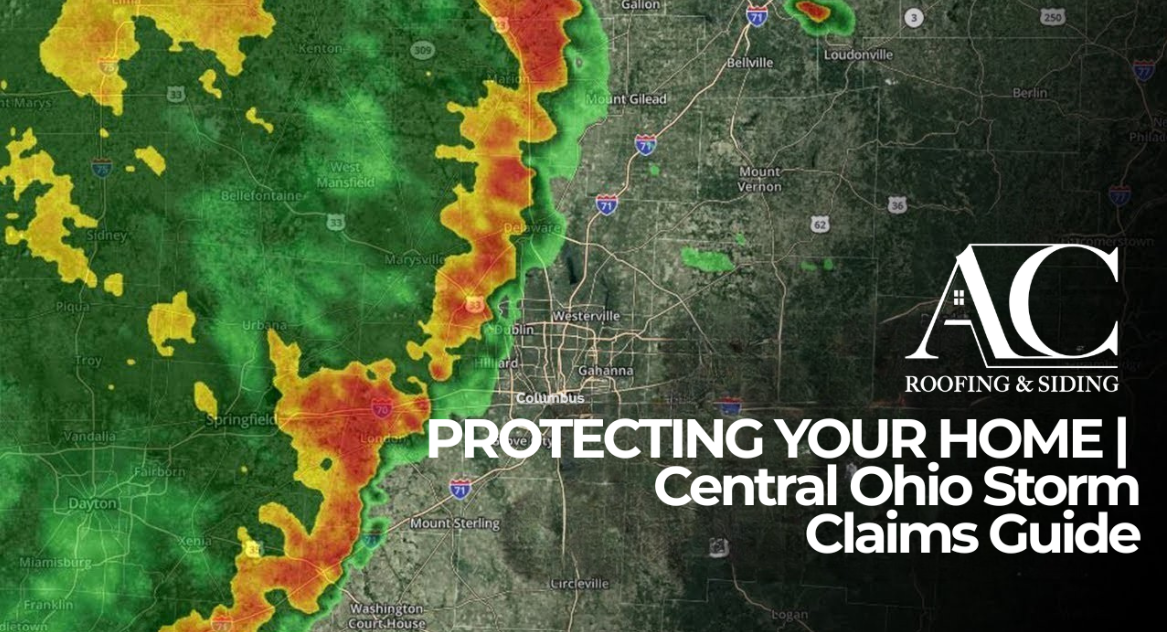
Ohio spring storms bring hail and high winds that leave Central Ohio homeowners—especially in open areas like Dublin and Hilliard—vulnerable to severe property damage. But once the skies clear, the biggest obstacle to restoring your home isn't the storm itself; it's navigating the complex insurance claim process that follows.
Because initial settlement offers often underestimate true repair costs, knowing what to do next is critical. This guide walks you through the essential steps to successfully handling a storm damage claim in Greater Columbus, and explains why partnering with a local exterior expert is your best defense.
The Prerequisite: Know Your Policy Before The Damage Happens
Before you even begin the claims process, you need to be 100% positive about what your homeowner's policy actually covers. In storm-prone areas like Central Ohio, assuming you are fully covered can lead to frustrating, unexpected out-of-pocket expenses.
Grab your policy documents and review these four key elements:
The Declaration Page: This is your go-to summary. It clearly outlines your overall coverage amounts, specific limits, and your insurance premiums.
Your Deductible: This is the portion of the claim you are responsible for paying out of pocket. For example, if you have a $1,000 deductible and an $8,000 storm damage claim, the insurer pays $7,000, and you cover the remaining $1,000. Typical deductibles range from $500 to $2,000.
Coverage Limits: This is the absolute maximum amount your insurance company will pay for a covered loss. Be aware that "special limits" may apply to certain categories of your home's exterior.
Exclusions: Found under headings like "losses not insured," this section details exactly what isn’t covered. Standard policies almost never cover major disasters like floods or earthquakes without a separate policy. Read this carefully to avoid surprises later.
It’s easy to forget the fine print when a storm hits. Reviewing these details early ensures you aren't blindsided when it's time to repair your exterior.
Step 1: The Quick Exterior Audit (Know What You're Looking For)
In Central Ohio, spring storms attack your entire home exterior. Before making any phone calls, take a quick lap around your property to document visible red flags across your three main protective systems:

The Roof
High winds and hail inflict very different, but equally destructive, damage:
Wind Damage (The Uplift Effect): Look for missing shingles or distinct horizontal creases where wind bent the shingle backward, breaking its internal fiberglass mat. Also, check for torn metal flashing around chimneys and vents, or deep scrapes from flying debris.
Hail Damage (The Impact Zone): Check downspouts for a heavy buildup of sand-like granules. Look for dented metal roof accessories (like exhaust vents and ridge caps) or soft, bruised indentations on the shingles that can eventually puncture through.
Water Intrusion: When shingles blow off, your underlayment is left exposed and degrades quickly. Check your indoor ceilings for brown water rings—a clear sign that small penetrations have turned into slow leaks soaking your attic insulation.
The Siding
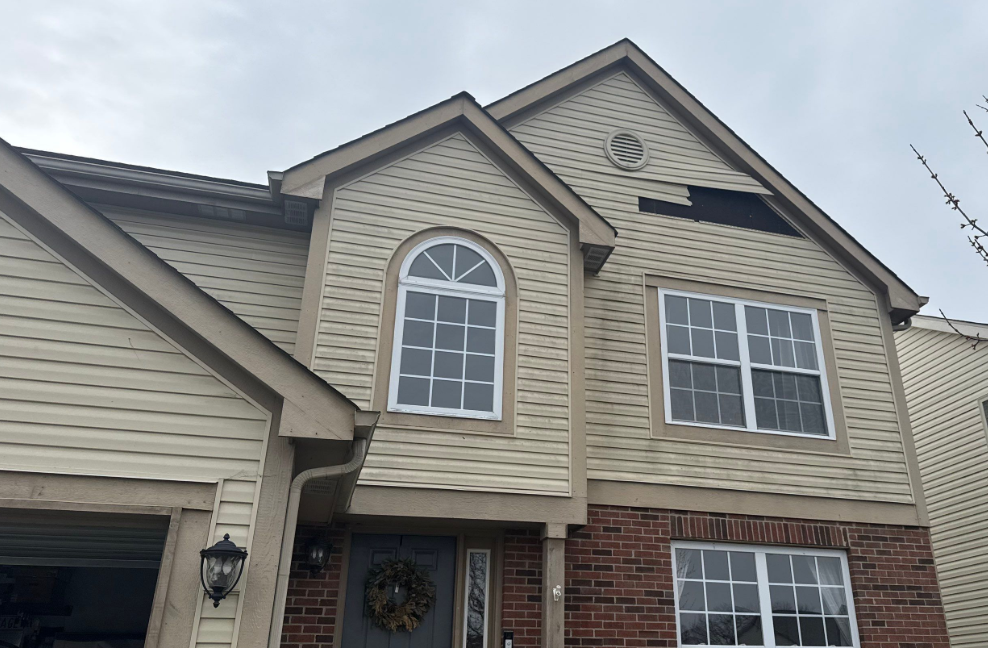
High winds and hail can severely compromise your walls. Scan for these material-specific damages that let moisture in:
Vinyl: Look for sharp cracks, outright holes from hail, or chipped edges where panels interlock. High winds can also unclip or completely tear panels away, leaving gaps that expose your underlayment.
Fiber Cement (Hardie): While highly durable, severe storms can cause localized chipping, spider-web fractures, or deep gouges in the factory finish. Check for loose or rattling boards where wind has stressed the fasteners.
Aluminum: Scan for classic hail dents (from tiny dimples to large craters) and permanent wind creases. Also, look for "splatter marks"—uneven patches where violent storms have stripped away the siding's chalky oxidation layer.
The Gutters
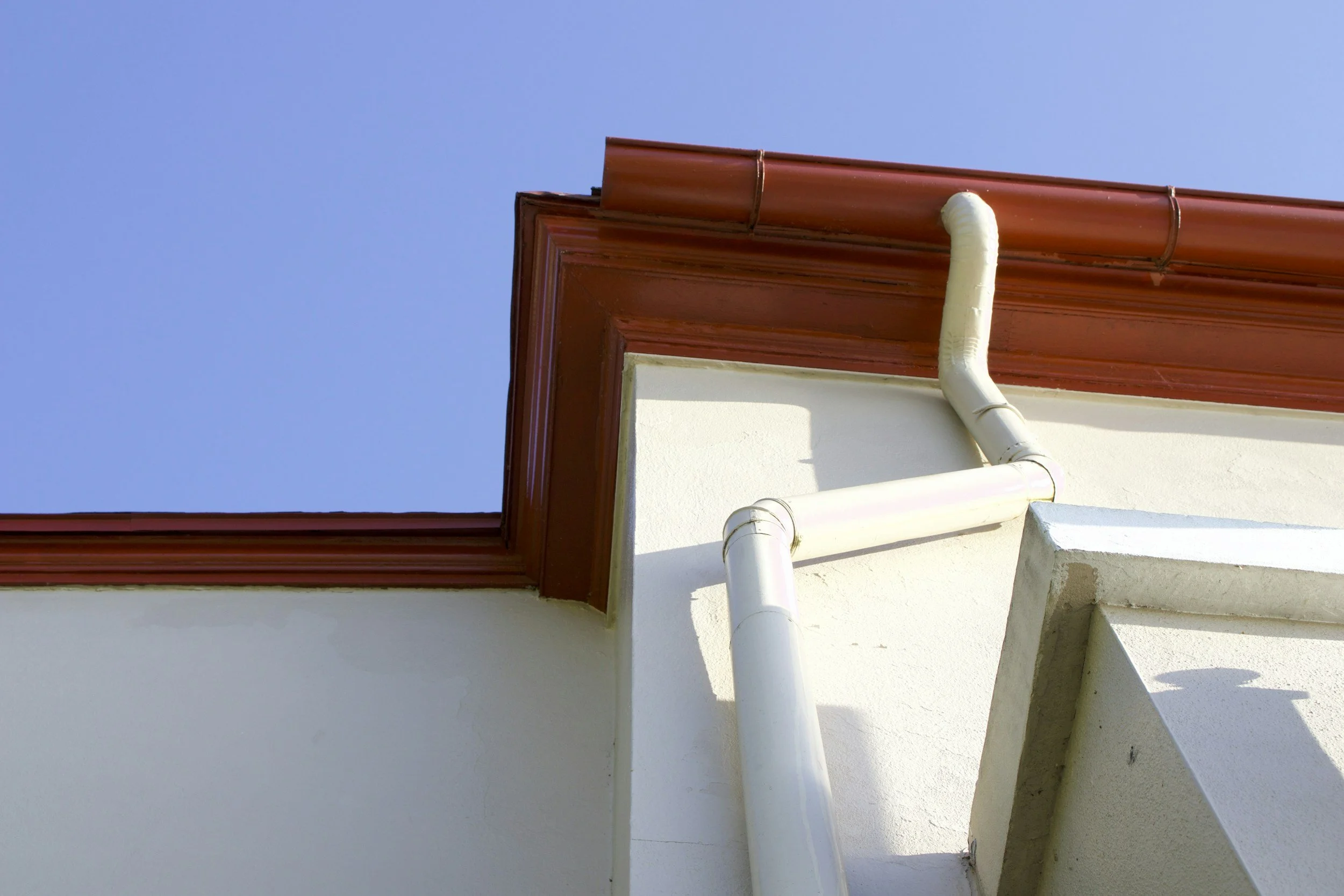
Your gutter system is your foundation's primary defense, but it is highly susceptible to storm damage:
Hail Impact: Look for visible dents or "pockmarks" on the front face of the gutters and downspouts. Severe hail can physically misshape the metal and restrict water flow.
Wind Pull & Sagging: High winds can stress the hidden hangers, pulling the gutters away from the fascia board. Check for any sagging sections or noticeable gaps between the gutter and the roofline.
Debris & Overflow: Wind-blown branches, leaves, and shed roofing granules can instantly clog the troughs. If the system is damaged or blocked, the next heavy Columbus downpour will cascade over the sides, leading to damaged siding, washed-out landscaping, or a flooded basement.
Pro Tip: Take timestamped photos of everything. This "Ground-Level Evidence" is exactly what a professional contractor uses to build your case.
Step 2: The Critical Call – Contact a Trusted Local Contractor BEFORE Your Insurance Agent
This is the most overlooked step in the entire process. Your very next call should not be to your insurance agent, but to a reputable, Central Ohio exterior contractor who specializes in storm damage claims.
Why a contractor is your most valuable resource:
When you file a claim, the insurance company sends an adjuster to protect their bottom line. A specialized local contractor protects yours. They provide an objective, expert inspection to uncover hidden wind and hail compromises that untrained eyes miss. More importantly, they provide a comprehensive report with photos and a line-item estimate based on strict local building codes. You enter the claims process armed with hard data, not just a suspicion that your roof is leaking.
Step 3: File Your Claim (Armed with Data)
Once you have a professional inspection report in hand, call your insurance company’s claims reporting line to initiate the process.
Be prepared to provide your policy number and the specific date the storm occurred.
Let the data do the talking. Instead of saying, "I think my house is damaged," refer directly to the contractor’s report: "I have documented hail impacts on my aluminum siding and wind-creased shingles on the west-facing slope." Using specific, industry-standard language makes your claim clear and much harder to dismiss.
Step 4: The Adjuster's Meeting (Your Contractor as Your Advocate)
Your insurance company will assign a claims adjuster to inspect your property. You should strongly request that your chosen exterior professional be present for this meeting.
This is where a specialized company truly proves its worth. A good contractor acts as your onsite advocate. They speak "construction" and "insurance" fluently, ensuring a balanced, productive meeting. They will walk the property with the adjuster, physically pointing out the subtle signs of damage their initial inspection identified. If the adjuster attempts to undervalue the claim or overlook damaged areas, your contractor is right there to present documentation and ensure a fair, accurate scope of work is established.
Step 5: Reviewing Your Settlement & The Power of the "Supplement"
Once the adjuster submits their report, the insurance company will send a Settlement Offer detailing what they agree to pay.
Never assume the first offer is final. A trusted exterior professional will help you compare this document side-by-side with their own estimate to verify:
The Scope: Did the adjuster cover all the damaged siding, gutters, and roofing the contractor found?
Local Pricing: Does the payout reflect current material and labor costs in the Columbus area?
Code Upgrades: Does the settlement account for necessary local building code requirements that your policy covers?
If there are discrepancies—and there often are—a reputable contractor will file a "Supplement." This means they take on the burden of going back to the insurance company with specific documentation, photos, and code requirements to negotiate the additional funds needed to restore your home correctly.
Restoring Your Central Ohio Home

Navigating an exterior insurance claim doesn't have to be a full-time, stressful job. By documenting the damage early and bringing in a local storm-damage expert to advocate for you from day one, you ensure your home gets the full system restoration it deserves.
Has a severe spring storm rolled through your neighborhood? Don’t wait for a leak to tell you there’s a problem, and don't face the insurance adjusters alone. Reach out to a trusted, local exterior professional to schedule a complimentary, no-obligation post-storm damage assessment today.
